


DTSEN: A Development Planning Solution In Line With National Goals
Prime News - Mon, 13 January 2025
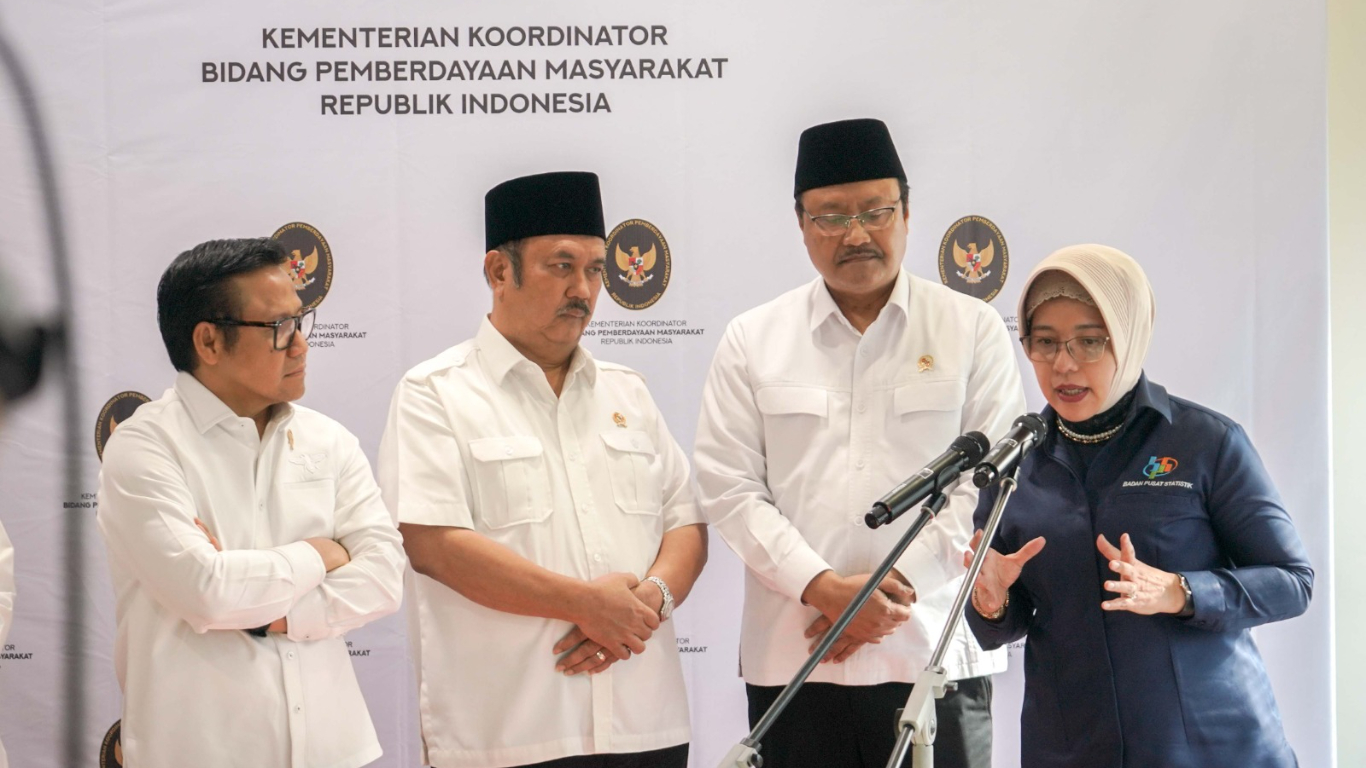
The Ministry of National Development Planning/Bappenas is intensifying efforts to establish the National Social and Economic Single Data System (DTSEN), following directives from President Joko Widodo on October 30, 2024. The initiative, coordinated by Bappenas and implemented in partnership with Statistics Indonesia (BPS), aims to integrate social and economic data to provide accurate, up-to-date, and cohesive information to support the planning, execution, and evaluation of development programs.
The DTSEN consolidates key databases, including the Social and Economic Registration Data (Regsosek), Integrated Social Welfare Data (DTKS), and the Targeted Data for Accelerating Extreme Poverty Eradication (P3KE), alongside other relevant datasets. “Population data is the foundation of all development policies—be it for achieving the Indonesia 2045 vision, social programs, or labor policies. Therefore, data collection must focus on three primary variables: age, profession, and technological capabilities,” emphasized Minister of National Development Planning/Head of Bappenas Rachmat Pambudy on Monday (13/1).
Currently, fragmented data management across ministries and agencies often results in program misalignment, overlapping assistance, and coordination challenges. DTSEN seeks to address these issues by ensuring consistency and interoperability in data usage. The unified system will encompass information on population, household characteristics, welfare levels, housing conditions, asset ownership, and beneficiaries of government aid programs.
This integrated data will improve targeting and transparency for social programs such as the Family Hope Program (PKH), Non-Cash Food Assistance (BPNT), and the Smart Indonesia Program (PIP). Additionally, the SEPAKAT application will serve as the primary platform for accessing and utilizing DTSEN in planning and evaluating development initiatives.
Given the sensitivity of social and economic data, DTSEN adheres to Presidential Regulation No. 39 of 2019 on One Data Indonesia and Law No. 27 of 2022 on Personal Data Protection. Security infrastructure, including cloud-based systems, a national data center, and integrated government service systems, has been established to safeguard data integrity and accuracy.
The government is prioritizing periodic data updates to maintain relevance and accuracy across stakeholders while enhancing interoperability and cross-ministerial coordination. DTSEN represents a milestone in promoting more inclusive and sustainable development. By integrating data, the government is optimistic about increasing the effectiveness of social and economic programs to improve public welfare.
“In the end, this data will provide clear guidance for future policymakers and leaders. Let us work together to build a robust, accurate, and technology-based data system to support sustainable development,” concluded Minister Rachmat.